Bachelor of Engineering
Electronics and Communication Engineering in PERI Institute of Technology
About Department of Electronics and Communication Engineering
The department of ECE was started in the year 2011 and offer courses in B.E-ECE, M.E-Communication systems and M.E – Applied Electronics. At present, the department is affiliated to Anna University, Chennai and approved by AICTE, New Delhi. The department has very dynamic and well experienced faculty members, equipped with skills and knowledge in curriculum and other relevant fields. The ultimate efforts of our dedicated faculty members in motivating the students in both professional and emotional ways has eventually produced significant growth in achievements year on year in curricular and extracurricular activities .The students exhibited interests in cooperate with family member and as a result has emerged with a remarkable academic record. We proudly hold the privilege that 100% of the eligible students are placed even before their graduation.
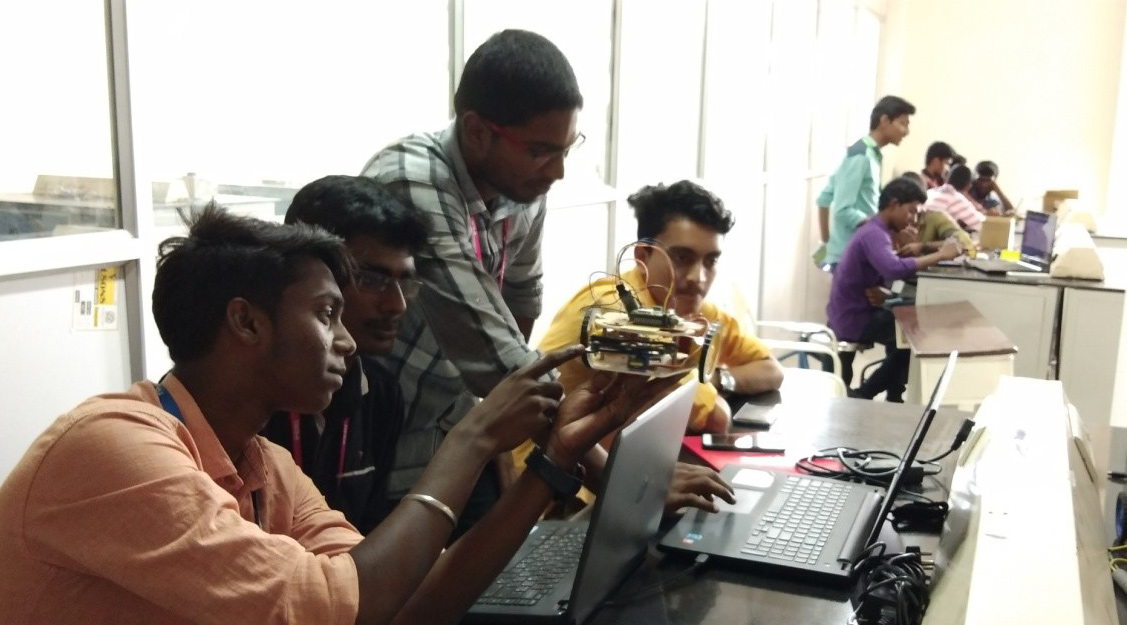
The department is also walking on the path of establishing and caters of excellence in the field of Robotics Engineering & Communication Systems. Our sincere objective is to bring up graduates with knowledge to adapt the changing industries needs and are also impart the idea of emerging as an entrepreneur and lead a successful life.
The department faculty continuously encouraging and guiding the students to implement their innovative ideas in their project works in order to inculcate their R& D activities. The following are the ongoing innovative projects.
Vision
To be recognized by the society as an excellent department and to emerge as a “Centre of excellence” in the field of Electronics and Communication Engineering that imparts high quality education which create engineers capable of providing comprehensive solutions to the challenges in the latest technological trends.
Mission
-
To adopt best pedagogy method for imparting knowledge in the field of Electronics and Communication technologies through curricular and allied activities.
-
To promote high-quality research leading to publications in reputed journals.
-
To build partnerships with leading academic institutions and industries in India and abroad.
-
To nurture learner centric environment with ethical values and social responsibilities.
POs, PSOs & PEOs
PROGRAM EDUCATIONAL OBJECTIVES (PEOs)
-
PEO1: To analyze, design and develop solutions by applying foundational concepts of electronics and communication engineering.
-
PEO2: To apply design principles and best practices for developing quality products for scientific and business applications.
-
PEO3: To prepare students to critically analyse existing literature in an area of specialization and develop new methodologies to solve the problems identified.
PROGRAM OUTCOMES (POs)
On completion of Electrical and Electronics Engineering program, the student will have the following Program Specific Outcomes.
-
Engineering knowledge: Apply the knowledge of mathematics, science, engineering fundamentals, and an engineering specialization to the solution of complex engineering problems.
-
Problem analysis: Identify, formulate, review research literature, and analyse complex engineering problems reaching substantiated conclusions using first principles of mathematics, natural sciences, and engineering sciences.
-
Design/development of solutions: Design solutions for complex engineering problems and design system components or processes that meet the specified needs with appropriate consideration for the public health and safety, and the cultural, societal, and environmental considerations.
-
Conduct investigations of complex problems: Use research-based knowledge and research methods including design of experiments, analysis and interpretation of data, and synthesis of the information to provide valid conclusions.
-
Modern tool usage: Create, select, and apply appropriate techniques, resources, and modern engineering and IT tools including prediction and modelling to complex engineering activities with an understanding of the limitations.
-
The engineer and society: Apply reasoning informed by contextual knowledge to assess societal, health, safety, legal and cultural issues and the consequent responsibilities relevant to the professional engineering practice.
-
Environment and sustainability: Understand the impact of the professional engineering solutions in societal and environmental contexts, and demonstrate the knowledge of, and need for sustainable development.
-
Ethics: Apply ethical principles and commit to professional ethics and responsibilities and norms of the engineering practice.
-
Individual and team work: Function effectively as an individual, and as a member or eader in diverse teams, and in multidisciplinary settings.
-
Communication: Communicate effectively on complex engineering activities with the engineering community and with society at large, such as, being able to comprehend and write effective reports and design documentation, make effective presentations, and give and receive clear instructions.
-
Project management and finance: Demonstrate knowledge and understanding of the engineering and management principles and apply these to one’s own work, as a member and leader in a team, to manage projects and in multidisciplinary environments.
-
Life-long learning: Recognize the need for, and have the preparation and ability to engage in independent and life-long learning in the broadest context of technological change.
PROGRAM SPECIFIC OUTCOMES (PSOs)
-
PSO1: To analyze, design and develop solutions by applying foundational concepts of electronics and communication engineering.
-
PSO2: To apply design principles and best practices for developing quality products for scientific and business applications.
-
PSO3: To adapt to emerging Information and Communication Technologies (ICT) to innovate ideas and solutions to existing/novel problems.
Department of Academic Calendar
Board of Studies
Curriculam & Syllabus
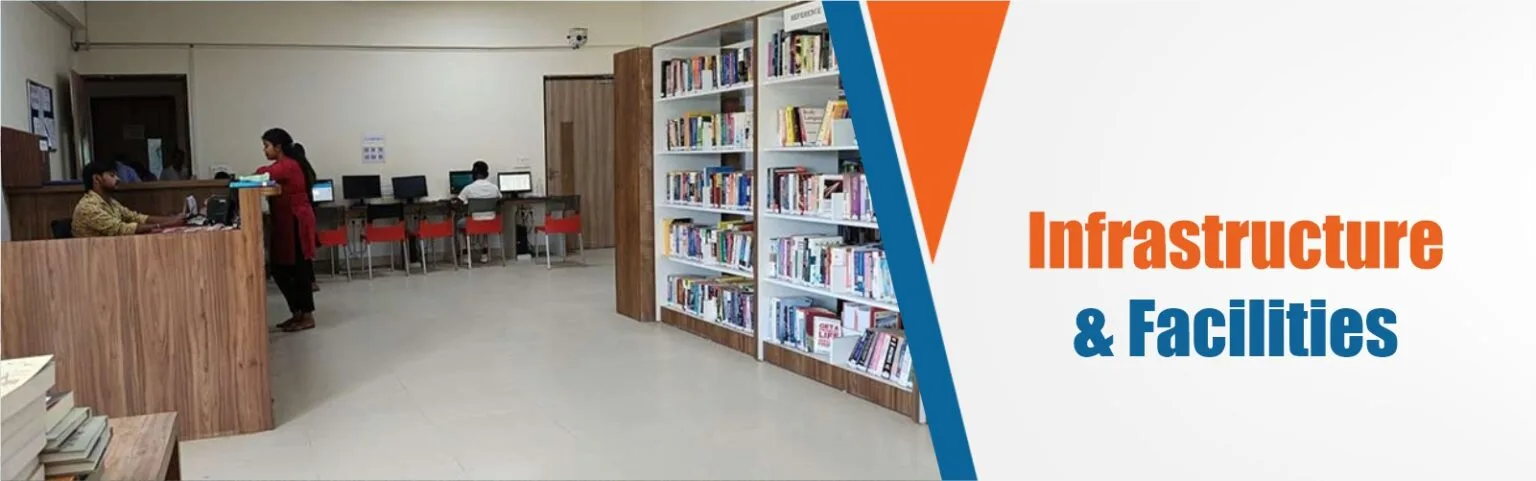
Department Library
Faculty & Students participation
Faculty & Students Achievements
Events Organise
Newsletter and Magazines
Research & Development
MOU